Roof Life · 7 min read · Updated 2026-08-24
How Long Does a Roof Last in North Dakota?
Manufacturers publish lifespans measured in a lab. Here is what each roofing material actually delivers on a house that sees 38 inches of snow and -40 degree cold snaps.
The short answer
An architectural asphalt shingle roof lasts 20 to 30 years in a mild climate. In north central North Dakota, plan on 18 to 25. Standing seam steel lasts 40 to 60 years almost anywhere, and the cold does not shorten it. Those are the two numbers most homeowners actually need.
The gap between the warranty on the wrapper and the life you get is not a scam, it is a measurement problem. A 30 year shingle is tested under controlled conditions. Your roof gets freeze-thaw cycling, ice damming, hail, and a temperature range of roughly 140 degrees between January and July.
Lifespan by material
| Material | Published life | Realistic ND life | Main failure mode |
|---|---|---|---|
| Three-tab asphalt shingle | 20 to 25 yrs | 12 to 18 yrs | Tab loss in wind, granule loss |
| Architectural asphalt shingle | 25 to 30 yrs | 18 to 25 yrs | Granule loss, mat cracking |
| Class 4 impact shingle | 30 to 50 yrs | 22 to 30 yrs | Granule loss, UV |
| Exposed fastener steel | 30 to 45 yrs | 25 to 40 yrs | Screw gasket failure |
| Standing seam steel | 40 to 70 yrs | 40 to 60 yrs | Finish chalking, flashing |
| TPO or EPDM membrane | 20 to 35 yrs | 20 to 30 yrs | Seam failure, ponding |
Swipe the table sideways to see every column.
What actually shortens a roof here
Freeze-thaw cycling
Every time meltwater refreezes under a shingle course it expands and lifts. Minot crosses the freezing point dozens of times per winter, not once. That cycling, not the depth of the cold, is what fatigues an asphalt mat.
Ice dams at the eave
Heat escaping into the attic melts snow on the upper roof. The meltwater runs down to the cold overhang, refreezes, and builds a dam that pushes water backwards under the shingles. A roof with an ice dam problem is being destroyed from the eave inward every single winter.
Attic ventilation, or the lack of it
This is the one homeowners never look at and the one that costs them years. An attic needs balanced intake at the soffit and exhaust at the ridge. Most Minot attics we inspect have adequate ridge vent and blocked or missing intake, which means the ridge vent pulls conditioned air out of the house instead of moving air across the deck. The result is a hot deck in summer, ice dams in winter, and a shingle roof that ages from underneath.
Hail
Hail does not usually kill a roof in one event. It knocks off granules, and granules are the only UV protection the asphalt mat has. A roof that took moderate hail in year eight will fail in year sixteen instead of year twenty-two, and the homeowner will never connect the two.
How to tell where yours is in its life
- Granules in the gutter. A handful after a new install is normal. A steady accumulation on a ten year old roof is not.
- Curling or cupping tabs. The mat is drying out and losing flexibility.
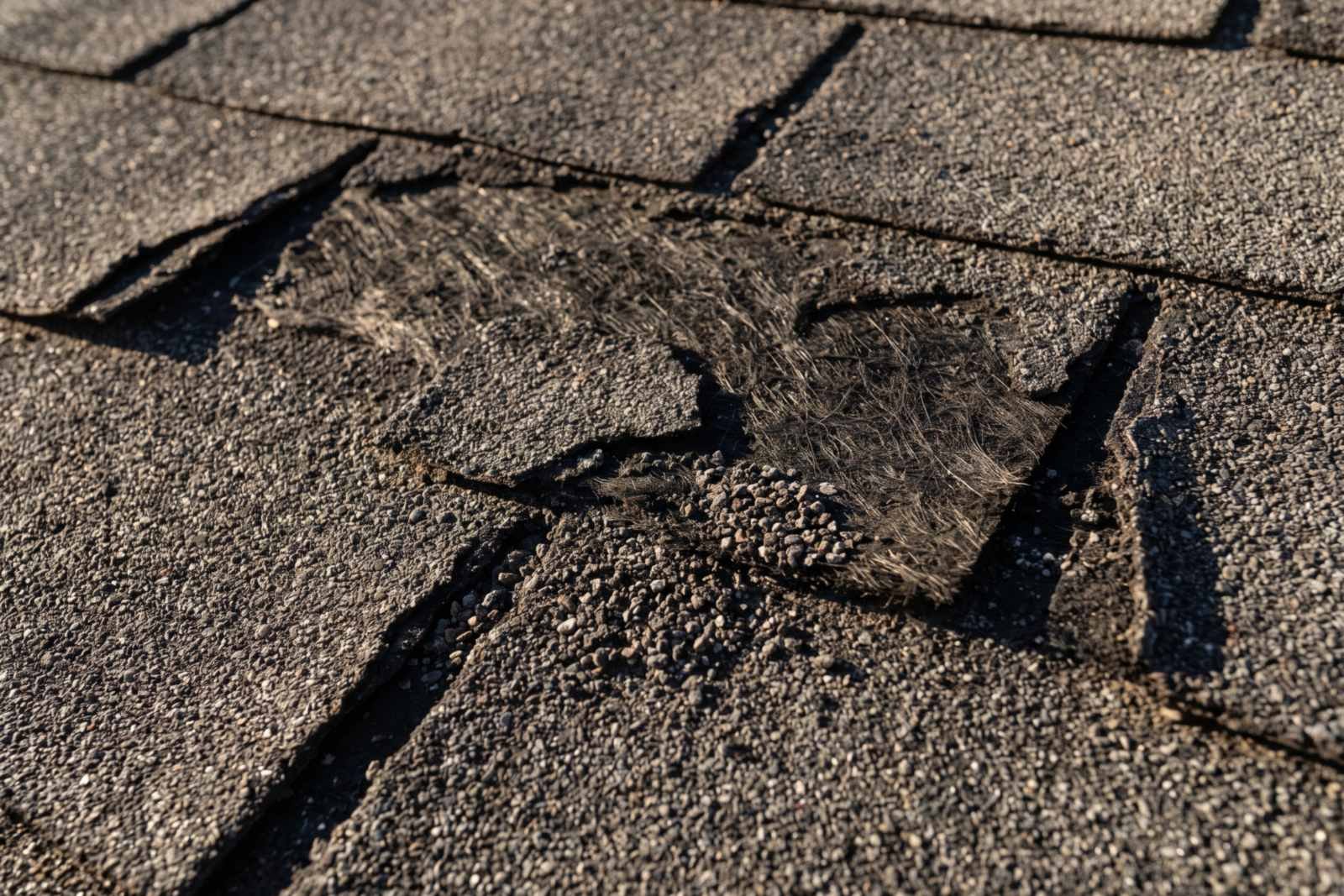
- Bald patches where the mat shows through. That area has no UV protection left.
- Nail pops. The deck is moving, usually a moisture problem underneath.
- Multiple patches. Three or more repairs on the same roof usually means it is done.
When to replace instead of repair
The rough rule: if the roof is past 15 years and the repair quote is more than about a third of a replacement quote, replace it. You are otherwise paying for labor twice and still ending up with an old roof. If the roof is under 12 years and the damage is localized, repair it.
The honest version most contractors will not say: a roof that is 14 years old and leaking in one spot should usually be repaired, not replaced, even though replacing it is a bigger sale.
Want someone to actually look at it?
Free inspection anywhere in Ward County. Photo report the same day, and we will tell you if the roof is fine. Call (380) 247-5157 or request online.
Questions we get asked
How long does a roof last in North Dakota?
Architectural asphalt shingle realistically lasts 18 to 25 years in north central North Dakota, against a 25 to 30 year published life. Standing seam steel lasts 40 to 60 years. The gap on asphalt comes from freeze-thaw cycling, ice damming and hail granule loss.
Does a metal roof really last twice as long as shingles?
Standing seam does, yes. Exposed fastener steel is closer to 25 to 40 years because the rubber gaskets under the exposed screws degrade and need re-torquing roughly every decade.
Can I extend the life of my current roof?
Yes, and the highest-return thing you can do is fix attic intake ventilation. Balanced airflow across the underside of the deck reduces both summer heat aging and winter ice damming. Cleaning gutters and replacing failed pipe boots on schedule also buy years.
Related services
If you need this done
Roof Replacement
If your roof is past twenty years or the last hailstorm finished it off, a full replacement costs less over ti...
See details →Free Roof Inspection
A roof inspection should end with photos and a number, not a sales pitch. We walk the roof, check the attic fr...
See details →Metal Roofing
Metal is the roof that makes the most sense in this climate and the least sense on a spreadsheet, which is why...
See details →Keep reading
More straight answers
How Much Does a New Roof Cost in North Dakota?
What a roof replacement actually costs in Minot and across North Dakota in 2026, and which line items are real versus which are padding.
Read →WinterIce Dam Removal and Prevention in North Dakota
An ice dam is an attic problem wearing a roof costume. Here is how to get the water stopped today and how to stop it happening again.
Read →MaterialsMetal Roof vs Shingles in a North Dakota Winter
The comparison most articles get wrong, because they are written for climates that never see 38 inches of snow or a -40 cold snap.
Read →MaterialsAre Class 4 Impact Resistant Shingles Worth It in Hail Country?
A Class 4 shingle costs about 15 to 25 percent more. In a hail state the insurance discount often covers it. Here is how to check whether it does for you.
Read →StormRoof Inspection After a Hail Storm: What to Do First
Most denied hail claims are denied on documentation, not on damage. Here is the order to do things in.
Read →StormHow to File a Hail Damage Roof Insurance Claim
The claim process, the two policy types that decide what you actually receive, and what to do when the adjuster's scope comes back short.
Read →Roof Life9 Signs You Need a New Roof, Not Another Repair
Some of these you can see from the driveway. The two that matter most are inside your attic and in your gutters.
Read →ProcessHow Long Does It Take to Replace a Roof?
Most homes are a one or two day job. Here is what happens on each of those days, and the five things that add time.
Read →RepairHow to Find a Roof Leak (Before It Costs You a Ceiling)
Water travels along rafters before it drops. The wet spot on your ceiling is almost never directly below the entry point.
Read →ProcessWhen Is the Best Time to Replace a Roof in North Dakota?
Late spring and early fall give you the best install. Here is the month-by-month reality in a climate that hits both 95 F and -40 F.
Read →HiringHow to Choose a Roofing Contractor
The questions that filter out bad contractors are all things you can verify. None of them are about who seems nicest at the door.
Read →WinterRoof Snow Load: How Much Snow Can a Roof Hold?
Ward County builds to 35 psf. Here is how to work out what is actually sitting up there, and the signs that say get out of the house.
Read →StormActual Cash Value vs Replacement Cost on a Roof Claim
Two policies, same storm, same roof: one pays $18,000 and the other pays $7,000. The difference is one line on your declarations page.
Read →Get a free roof inspection this week
Photo report the same day. No obligation, and no pressure if the roof is fine.