Permits · 7 min read · Published 2026-10-15
Ice and Water Shield: North Dakota Code Explained
The sticky membrane under your shingles is the last line of defense when an ice dam backs water up the roof.
Ice and water shield is a self-adhering rubberized membrane that sticks directly to the roof deck under the shingles and seals around nails. It stops water that backs up behind an ice dam from leaking into the house. North Dakota's building code calls for an ice barrier from the roof edge to at least 24 inches inside the exterior wall line, and on a Minot roof we run it farther than that.
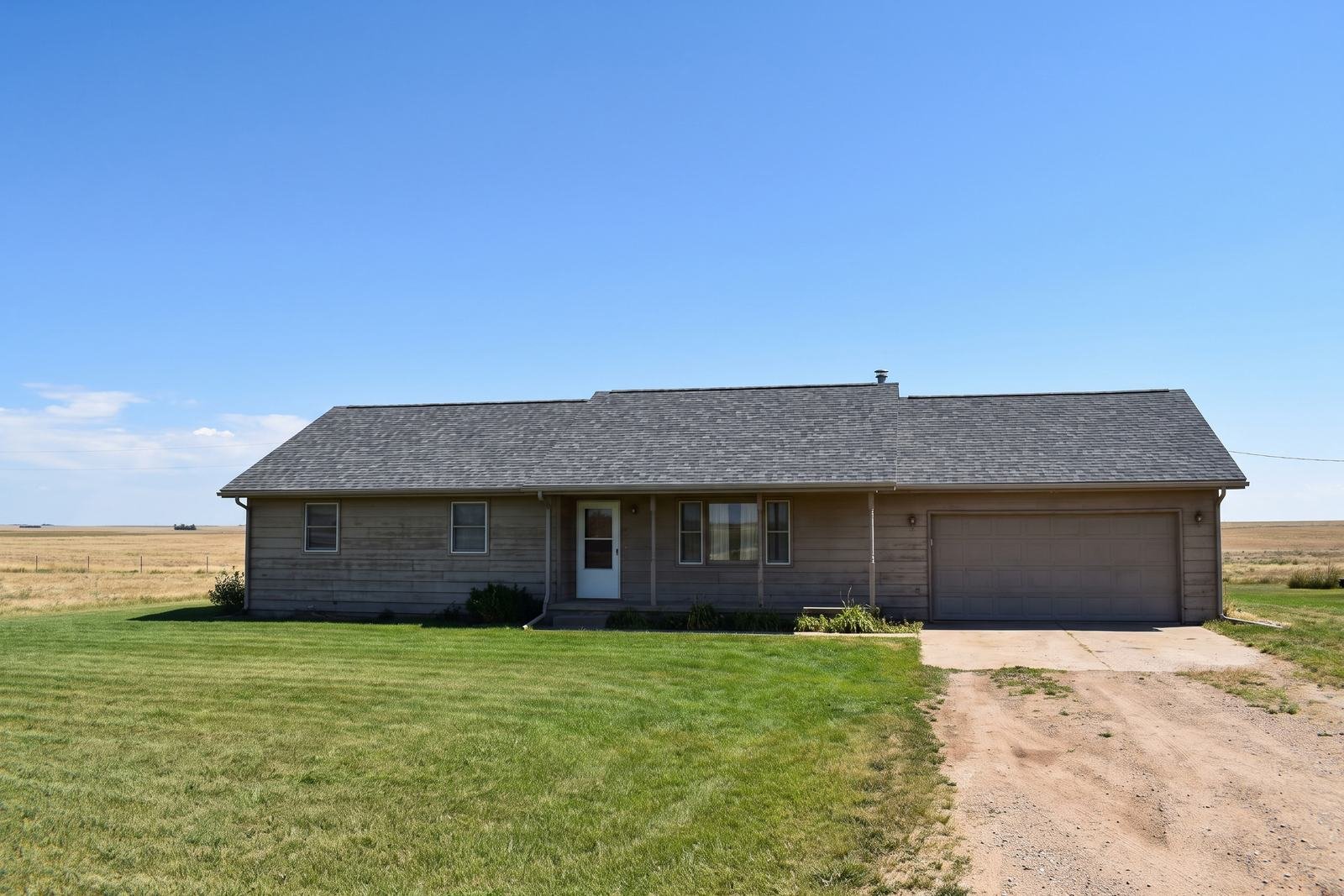
You never see it once the roof is done. But in a Minot winter, when ice builds at the eaves and meltwater pools behind it, this layer is what keeps the water out of your walls and ceilings. Here is what it is, what the code says, and why we do more than the minimum.
What ice and water shield actually is
Most of a roof is covered with underlayment, a sheet that sits under the shingles as a backup layer. Regular underlayment sheds water that runs downhill. It is not built to hold back water that sits on it or flows uphill under the shingles.
Ice and water shield is different. The code calls it a self-adhering polymer-modified bitumen sheet. In plain terms:
- It sticks. A peel-off backing exposes a sticky side that bonds to the wood deck.
- It seals around nails. When a shingle nail goes through it, the rubbery material grips the nail shank.
- It holds standing water. Water that backs up under the shingles sits on the membrane instead of finding a nail hole.
"Ice and water shield" started as a brand name, and people now use it for any membrane like this. You will also hear it called an ice barrier, which is the term in the code.
Why roofs in North Dakota need it
Shingles are built to shed water running down the roof. They are not watertight against water pushed back up under them. That is exactly what an ice dam does.
Here is how it goes. Heat from the house warms the attic. The warm roof melts snow on the upper slope. The water runs down to the overhang, which sits outside the house and stays cold, and it freezes. The ice ridge grows. New meltwater pools behind it and creeps up under the shingles. Without a sealed layer below, it drips through nail holes into the wall and ceiling.
NDSU Extension calls ice dams a sign the house is leaking heat into the attic. Their page on checking your roof for ice dams explains the warning signs. With about 38 inches of snow in an average Minot winter and long stretches of freeze and thaw, most homes here see some ice at the eaves at some point. If yours does every year, our guide to ice dam removal in Minot covers what to do right now.
What North Dakota code says about ice barriers
North Dakota adopted the 2024 International Residential Code as part of the State Building Code, effective January 1, 2026. The North Dakota Department of Commerce manages the state code, and cities that enforce building codes use it. The state amendments do not change the ice barrier section, so the IRC wording applies.
Section R905.1.2 says:
| Code item | What R905.1.2 requires |
|---|---|
| Where it applies | Areas with a history of ice forming at the eaves and backing up water, as marked in the local climate table (Table R301.2) |
| Roof types | Asphalt shingles, metal roof shingles, mineral-surfaced roll roofing, slate, wood shingles and wood shakes |
| Material | At least two layers of underlayment cemented together, or a self-adhering polymer-modified bitumen sheet |
| How far | From the lowest edge of all roof surfaces to a point at least 24 inches inside the exterior wall line |
| Steep roofs | On slopes of 8 in 12 or steeper, at least 36 inches measured along the roof slope from the eave edge |
| Exception | Detached accessory buildings with no conditioned space, like an unheated shed or garage |
The full text is in the 2024 IRC roof assemblies chapter from the International Code Council. Note the first row. The local building department decides whether ice damage is a design condition in its area. If you want the official answer for your address, ask the City of Minot or your county building office. In practice, a North Dakota roof without an ice barrier at the eaves is a gamble nobody should take.
Low slope roofs need extra protection
The same chapter says asphalt shingles on slopes from 2 in 12 up to 4 in 12 need a double layer of underlayment. Low slope sections, like many porch roofs and additions, drain slowly and hold ice longer. They are a common leak spot in winter.
Why we run it past the interior wall line
The code sets a minimum. "24 inches inside the exterior wall line" is measured flat, from the outside face of the wall, not along the roof. The deeper your overhang and the lower your pitch, the more membrane it takes up the slope to get there.
| Overhang | 4 in 12 pitch, along the slope | 6 in 12 pitch, along the slope |
|---|---|---|
| 12 inches | About 38 inches | About 40 inches |
| 18 inches | About 44 inches | About 47 inches |
| 24 inches | About 51 inches | About 54 inches |
That is just the code minimum. Ice dams do not read the code. A big dam on a low pitch roof can push water well up the slope. So our standard is to carry the ice and water shield past the interior wall line, not stop right at the minimum. The extra few feet of membrane costs little next to a wet wall cavity, mold in the insulation, or a stained ceiling.
Other places we use it
The code only asks for it at the eaves. On a Minot roof, we also put it where water collects or where the roof meets something else:
- Valleys, where two slopes send water and snow together
- Around chimneys and skylights
- Along sidewalls where a roof meets a taller wall
- Around plumbing vents and other penetrations
- Low slope sections and porch roofs
Over the rest of the deck, we lay synthetic underlayment. Together they make up the layers under the shingles.
Ice and water shield on metal roofs
Metal roofs shed snow better than shingles, but they still need protection under them. Metal roof shingles are on the code list, and many steel panel makers have their own underlayment rules. High temperature membranes are made for metal roofs, where the panel can get very hot in the summer sun. If you are weighing steel against asphalt, see our breakdown of metal roof vs shingles.
What it does not fix
Ice and water shield stops leaks from ice dams. It does not stop the ice dams. If your eaves load up with ice every winter, the cause is heat getting into the attic. The real fix is air sealing, insulation and clear soffit vents. The membrane buys you protection while you sort that out.
It also cannot be added to an existing roof without taking the shingles off at the eaves. It has to bond to bare decking. That is why the best time to get it right is a full tear-off.
Asking about ice barrier on your Minot roof quote
When you get roof quotes, ask each contractor the same questions:
- How far up the roof will the ice and water shield go?
- Will it go past the interior wall line, or stop at the code minimum?
- Will it go in the valleys and around the chimney and skylights?
- What goes over the rest of the deck?
On every roof replacement in Minot, our written line-item quote shows the ice and water shield, the synthetic underlayment over the full deck, and the attic intake ventilation check. Want a ballpark first? Try our roof cost calculator, or call (380) 247-5157 for a free inspection.
Want someone to actually look at it?
Free inspection anywhere in Ward County. Photo report the same day, and we will tell you if the roof is fine. Call (380) 247-5157 or request online.
Questions we get asked
Is ice and water shield required in North Dakota?
North Dakota uses the 2024 International Residential Code, and Section R905.1.2 requires an ice barrier where the local climate table shows a history of ice dams. It must run from the roof edge to at least 24 inches inside the exterior wall line. Check with your local building department for your address.
How far up the roof should ice and water shield go?
The code minimum is 24 inches inside the exterior wall line, measured flat, or 36 inches along the slope on roofs of 8 in 12 and steeper. With a normal overhang that often means 40 to 55 inches up the roof. We run it past the interior wall line for more margin.
Can ice and water shield be added without a new roof?
Not really. It has to stick to bare roof decking, so the shingles at the eaves have to come off. The best time to install it is during a full tear-off.
Does ice and water shield stop ice dams?
No. It stops the water behind an ice dam from leaking into the house. The dam itself is caused by heat escaping into the attic, which is fixed with air sealing, insulation and good ventilation.
Related services
If you need this done
Free Roof Inspection
A roof inspection should end with photos and a number, not a sales pitch. We walk the roof, check the attic fr...
See details →Commercial Roofing
Commercial roofing in Minot, ND means low-slope membranes carrying a 35 psf snow load and drains that have to ...
See details →Metal Roofing
Metal is the roof that makes the most sense in this climate and the least sense on a spreadsheet, which is why...
See details →Keep reading
More straight answers
How Long Does a Roof Last in North Dakota?
Manufacturers publish lifespans measured in a lab. Here is what each roofing material actually delivers on a house that sees 38 inches of snow and -40 degree cold snaps.
Read →CostsHow Much Does a New Roof Cost in North Dakota?
What a roof replacement actually costs in Minot and across North Dakota in 2026, and which line items are real versus which are padding.
Read →WinterIce Dam Removal and Prevention in North Dakota
An ice dam is an attic problem wearing a roof costume. Here is how to get the water stopped today and how to stop it happening again.
Read →MaterialsMetal Roof vs Shingles in a North Dakota Winter
The comparison most articles get wrong, because they are written for climates that never see 38 inches of snow or a -40 cold snap.
Read →MaterialsAre Class 4 Impact Resistant Shingles Worth It in Hail Country?
A Class 4 shingle costs about 15 to 25 percent more. In a hail state the insurance discount often covers it. Here is how to check whether it does for you.
Read →StormRoof Inspection After a Hail Storm: What to Do First
Most denied hail claims are denied on documentation, not on damage. Here is the order to do things in.
Read →StormHow to File a Hail Damage Roof Insurance Claim
The claim process, the two policy types that decide what you actually receive, and what to do when the adjuster's scope comes back short.
Read →Roof Life9 Signs You Need a New Roof, Not Another Repair
Some of these you can see from the driveway. The two that matter most are inside your attic and in your gutters.
Read →ProcessHow Long Does It Take to Replace a Roof?
Most homes are a one or two day job. Here is what happens on each of those days, and the five things that add time.
Read →RepairHow to Find a Roof Leak (Before It Costs You a Ceiling)
Water travels along rafters before it drops. The wet spot on your ceiling is almost never directly below the entry point.
Read →ProcessWhen Is the Best Time to Replace a Roof in North Dakota?
Late spring and early fall give you the best install. Here is the month-by-month reality in a climate that hits both 95 F and -40 F.
Read →HiringHow to Choose a Roofing Contractor
The questions that filter out bad contractors are all things you can verify. None of them are about who seems nicest at the door.
Read →StormActual Cash Value vs Replacement Cost on a Roof Claim
Two policies, same storm, same roof: one pays $18,000 and the other pays $7,000. The difference is one line on your declarations page.
Read →Get a free roof inspection this week
Photo report the same day. No obligation, and no pressure if the roof is fine.